


Monitoring desk staffed 7 days · storm response on call

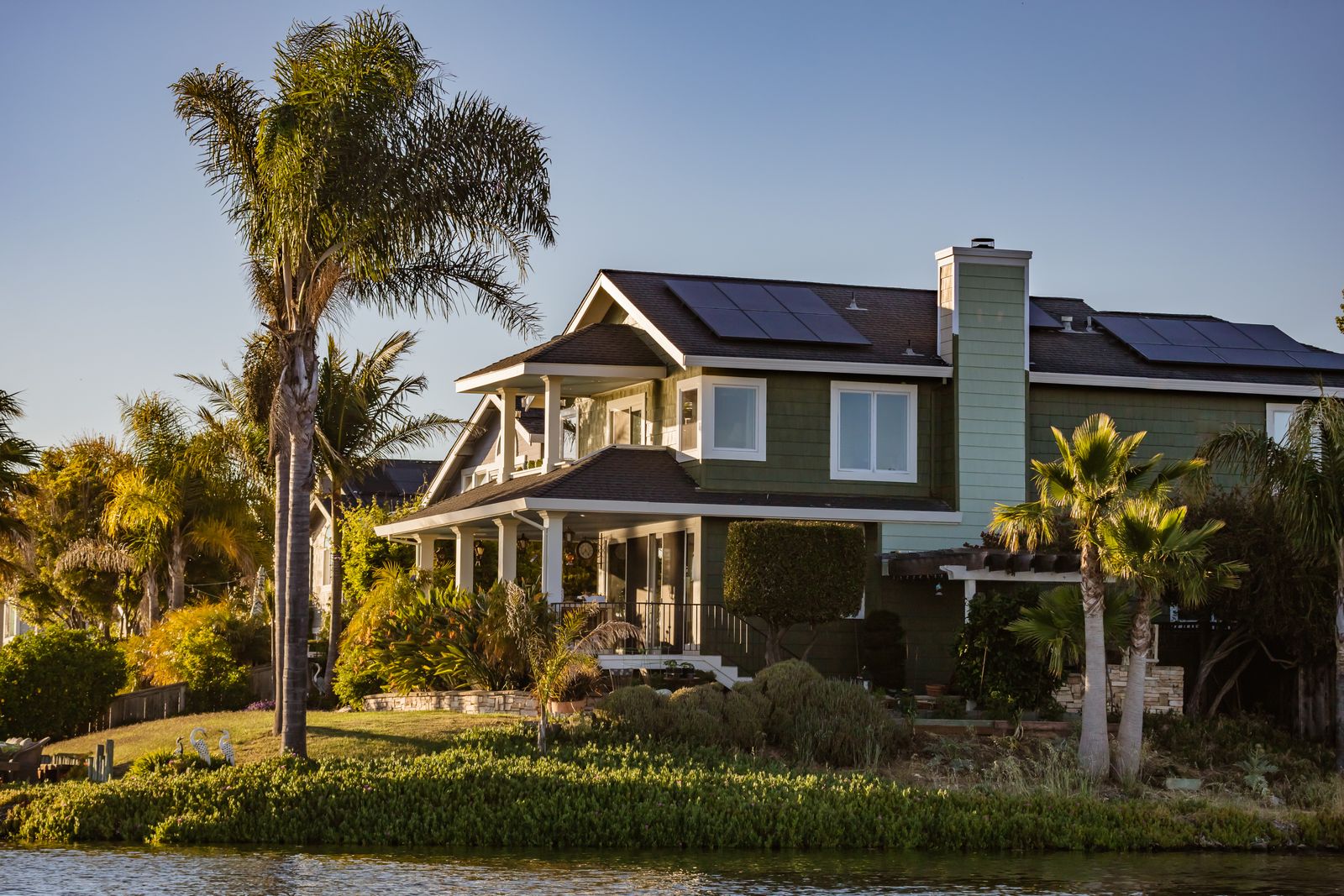
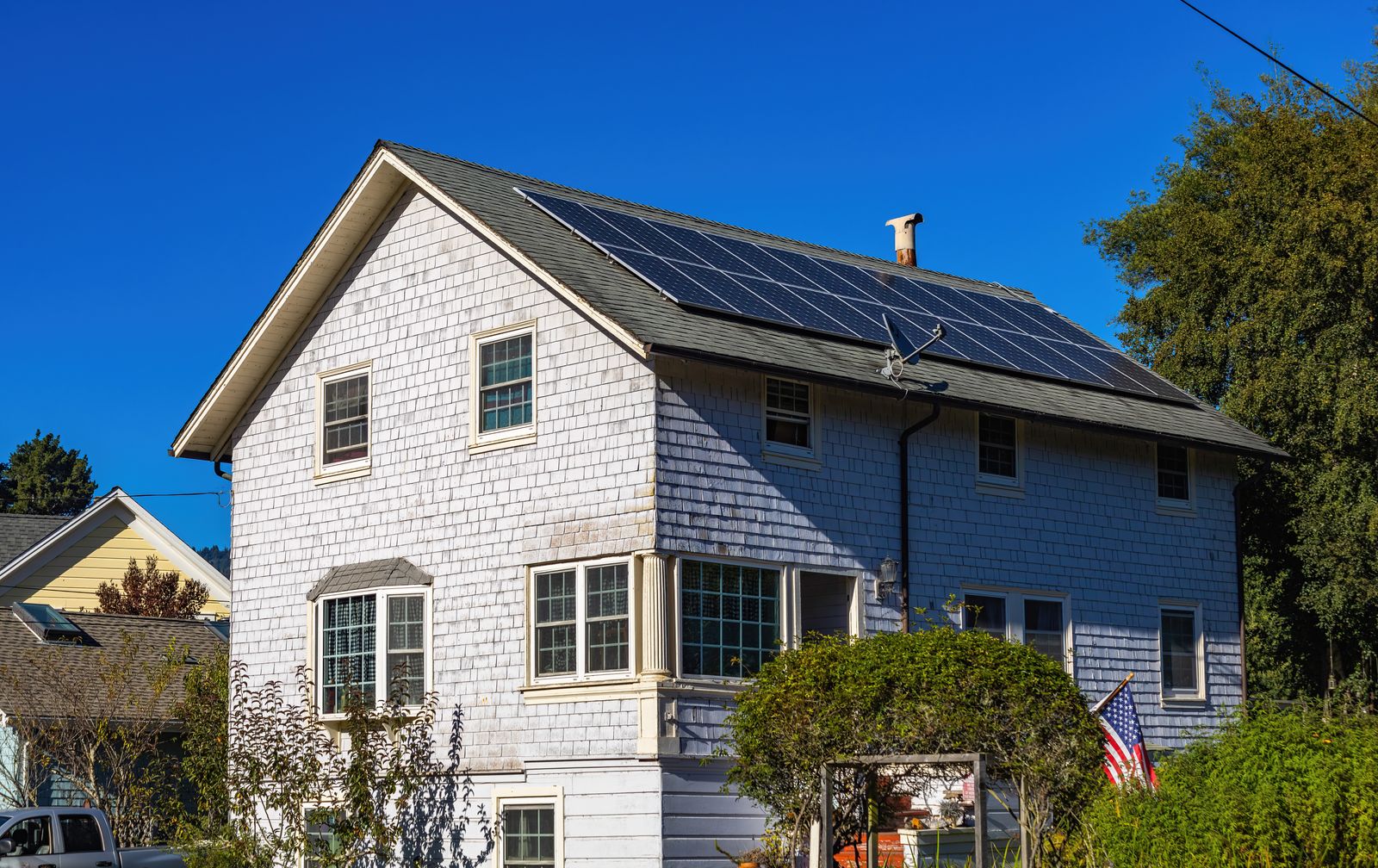
Rooftop solar array on a Triangle area home under an evening sky

Raleigh, NC · solar, storage and backup power

Power you can
account for

Arrays sized from your actual kilowatt hours, batteries sized from your actual loads, and every assumption printed where you can check it.

  • Raleigh specific yield1,340kWh per kW / yrsample fleet average
  • Standard storage module13.5kWh usable5 kW continuous
  • Systems on the desk580monitoredsince 2014
  • Storm response window48hoursservice contracts
Open the panel index

Start anywhere

Eleven panels, not a sales funnel

This page is a control panel. Every tile below opens a tool, a specification or a record you can check. Nothing here asks you to book a visit before you understand the numbers.

Or go straight to a site check
01System sizing estimatorkWh → kW → panels → roof areaEnter your annual consumption and get array size, module count and the roof area it needs.Open02Payback and ROI model25 year cashflow, degradation appliedNet cost, first year saving, cumulative position year by year and the year it crosses zero.Open03Roof suitability checkAzimuth · pitch · shade · age · structureThe five things a surveyor records, what each one costs you and when we decline a plane.Open04Backup load plannerRunning W, surge W, runtime hoursPick the circuits you want live and see daily kWh, module count and realistic runtime.Open05Panel and inverter specsEfficiency · temp coefficient · warrantyThree module classes and three inverter topologies compared on the numbers that matter.Open06Net metering and exportWhat an exported kWh is actually worthHow export credit works on a Duke rider, and why it decides whether oversizing pays.Open07Incentives and creditsFederal, state and utility, sample figuresWhat a tax credit is, what it is not, and which programmes apply to which owner.Open08Financing routesCash · loan · lease · PPAFour ways to pay, who owns the system in each and where the tax credit lands.Open09Solutions catalogueEight services, specifiedResidential, commercial, storage, EV, roofing, farms, monitoring and audits.Open10Installed projectsMeasured against the modelSix builds with array size, first year yield and what we would change next time.Open11Service areasWake · Durham · OrangeRoof stock, permit windows and typical array size for each town we cover.Open
NABCEP PV Installation ProfessionalNC Electrical Contractor U.32418NEC 690 and 705 compliant designUL 3741 rapid shutdownIEEE 1547 interconnectionStamped structural review on commercial$2M general liability25 year workmanship warrantyLFP storage, UL 9540A testedAnnual thermal scan on service contracts

Measured

What the monitoring desk currently sees

Figures below are drawn from systems we installed and still watch. Model variance is measured first year actual against first year modelled, which is the only production claim we are willing to stand behind.

580systems in serviceWake, Durham and Orange counties since 2014
4.1 GWhcumulative productionmonitored on our desk, sample figure
2.6%median model variancemeasured year one against modelled year one
25 yrworkmanship warrantyon mounting, flashing and penetrations

Tool 01

From kilowatt hours to panels on a roof

Four inputs, four outputs, and the formula printed under each step. This is the same arithmetic our designers run, with sample yield figures from our own fleet standing in for your survey.

Continue into the payback model

Inputs

Add the kWh column from twelve utility bills. A Triangle household with a heat pump typically sits between 11,000 and 16,000 kWh.

The share of your consumption you want the array to cover across a year. Above 100 percent you are exporting a surplus.

Specific yield in kWh per installed kW per year.

Specific yield figures are sample values from our own monitored fleet in Wake, Durham and Orange counties. Your survey number replaces them before anything is quoted.

  1. 01Required array9.24 kW DCannual kWh × offset ÷ specific yield, rounded up to whole modules
  2. 02Module count21 panelsarray watts ÷ module watts, rounded up
  3. 03Panel area452 sq ftmodule count × area per module
  4. 04Roof area needed533 sq ftpanel area plus 18 percent for fire setbacks and walkways
Modelled year one12,382kWh
Actual offset103%
Inverter, at 1.2 DC/AC7.7kW AC
Average per month1,032kWh
Payback model

Survey

Five measurements decide your roof

Azimuth, pitch, shading, covering and structure. A surveyor records all five in ninety minutes, and any one of them can change the design or end the conversation.

See the full survey process

True south is the reference at this latitude. A plane within 20 degrees of south loses almost nothing. South east or south west costs roughly 3 to 5 percent of annual energy. Due east or due west costs 12 to 18 percent, which is still worth doing on a large clear plane. Due north we decline. One practical detail: magnetic declination in Raleigh is about 9 degrees west, so a compass reading has to be corrected before it means anything.

About 30 degrees, roughly a 7:12 pitch, maximises annual yield here. The curve is flat, so anything between 15 and 40 degrees lands within a few percent of optimal and pitch rarely decides a design. Low slope roofs under about 2:12 either accept a loss near 8 percent or take tilt legs, which add wind load and row spacing. Above 10:12 the array performs well and the labour cost rises because of fall protection and staging.

We take a fisheye sky image from several points on the plane and overlay the annual sun path, then weight each obstruction by how much energy that part of the sky actually delivers. The output is total solar resource fraction. Above 90 percent is an unshaded plane. Between 80 and 90 we specify optimisers or microinverters. Between 70 and 80 it still works but you should see the cost per produced kilowatt hour in writing. Below 70 we normally decline the plane.

Architectural asphalt shingle runs 20 to 25 years in this climate. If fewer than ten years remain we replace before mounting, because removing and reinstalling an array later costs thousands and gains nothing. Standing seam metal is the best surface we work on: clamps grip the seam, no penetrations at all. Concrete or clay tile is workable but slow and breakage is expected. On low slope membrane we ballast rather than penetrate.

A residential array adds roughly 2.5 to 3.5 pounds per square foot, which almost every modern truss roof carries without comment. Older 2x4 framing at wide spacing occasionally needs reinforcement, and we check rafter size, spacing and deck type from inside the attic rather than guessing from the ground. On the electrical side the service panel decides as much as the roof: a 100 A panel with a fully loaded busbar usually means an upgrade or a supply side connection.

Survey reference photo: azimuth: which way the plane facesSurvey reference photo: pitch: how steep the plane isSurvey reference photo: shading: measured, not estimatedSurvey reference photo: covering and remaining lifeSurvey reference photo: structure and service capacity
01Azimuth: which way the plane faces

Specification

Compared on the numbers, not the badge

Three module classes and three inverter topologies. Efficiency decides roof area, temperature coefficient decides July output, and degradation decides year 25.

Full equipment comparison

Swipe or use the arrows. Six classes, same measurements.

  • Module

    Mono PERC 410 W

    P-type monocrystalline PERC, 108 half cells

    Efficiency
    21.0 %
    Temp coefficient
    -0.35 %/°C
    Degradation after yr 1
    0.55 %/yr
    Retained at year 25
    84.8 %
    Product / performance
    12 / 25 yr
    Area per module
    21.0 sq ft

    Wide, simple, unshaded roofs where cost per watt matters more than area

  • Module

    N-type TOPCon 440 W

    N-type TOPCon, 108 half cells, bifacial capable

    Efficiency
    22.5 %
    Temp coefficient
    -0.29 %/°C
    Degradation after yr 1
    0.4 %/yr
    Retained at year 25
    89.4 %
    Product / performance
    25 / 30 yr
    Area per module
    21.5 sq ft

    Our default. Best balance of area, heat behaviour and warranty term

  • Module

    Back-contact 450 W

    N-type back contact, no front busbars

    Efficiency
    23.3 %
    Temp coefficient
    -0.26 %/°C
    Degradation after yr 1
    0.25 %/yr
    Retained at year 25
    93.0 %
    Product / performance
    25 / 40 yr
    Area per module
    21.3 sq ft

    Cut up or small roofs where every square foot has to earn its keep

  • Inverter

    String inverter

    One inverter, modules wired in series strings

    Rating
    3.8 to 11.4 kW AC
    CEC efficiency
    97.5 %
    Warranty
    12 yr
    Under shade
    A shaded module pulls down its whole string
    Monitoring
    String level only

    Cheapest per watt. Correct choice on a single unshaded plane and nowhere else.

  • Inverter

    String plus DC optimisers

    Optimiser on each module feeding one string inverter

    Rating
    3.8 to 11.4 kW AC
    CEC efficiency
    97.0 %
    Warranty
    12 yr
    Under shade
    Each module tracks its own maximum power point
    Monitoring
    Per module

    Middle ground. Keeps one central inverter to service while removing string mismatch.

  • Inverter

    Microinverter

    One inverter per module, AC wiring on the roof

    Rating
    320 to 400 VA per module
    CEC efficiency
    96.5 %
    Warranty
    25 yr
    Under shade
    Complete independence between modules
    Monitoring
    Per module

    Highest cost per watt, longest warranty, and the only sensible answer on a heavily shaded roof.

Capability

Two things solar alone will not do

A grid tied array shuts down in an outage and tells you nothing about a failing module. Storage and monitoring are what turn generation into a system you can rely on.

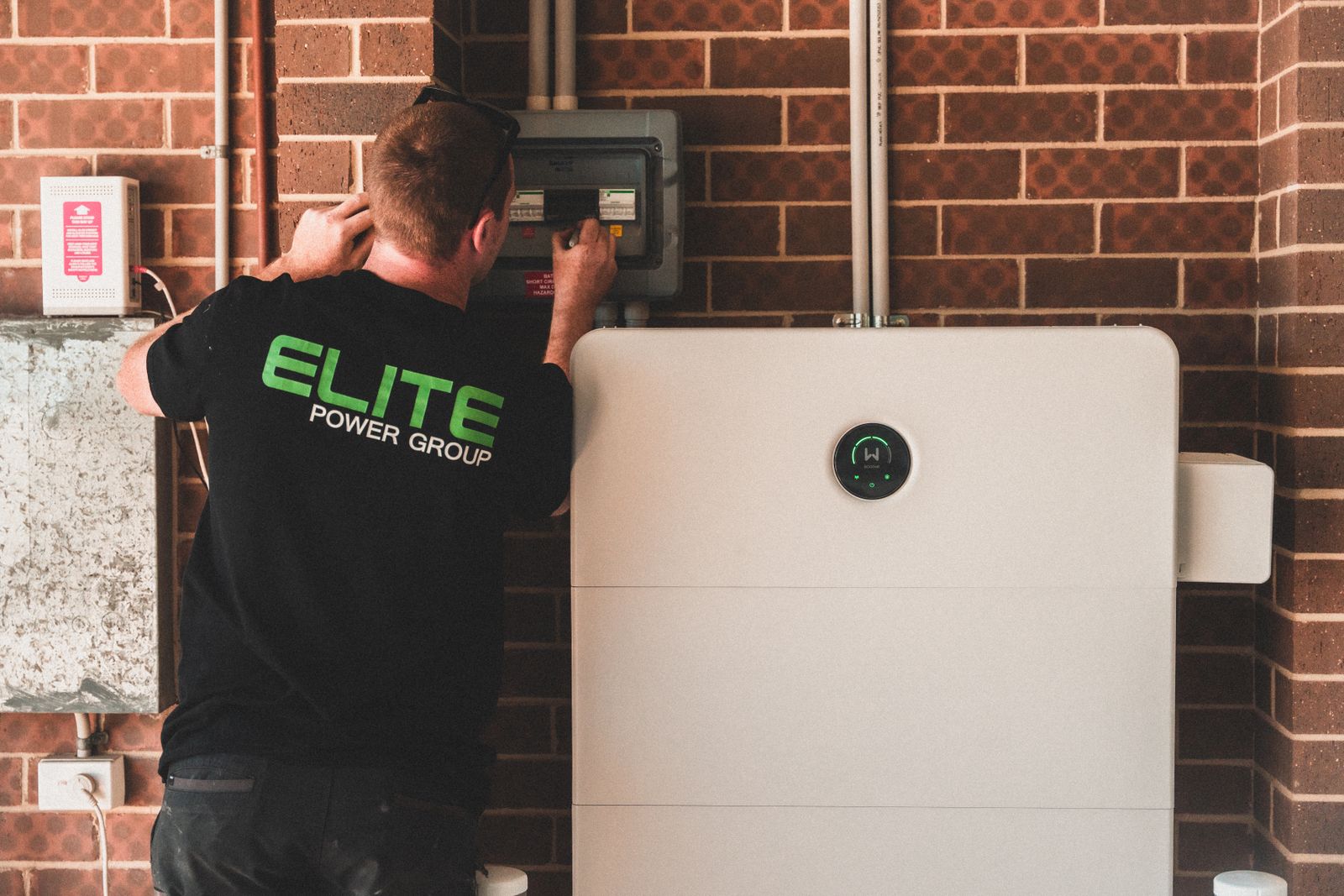
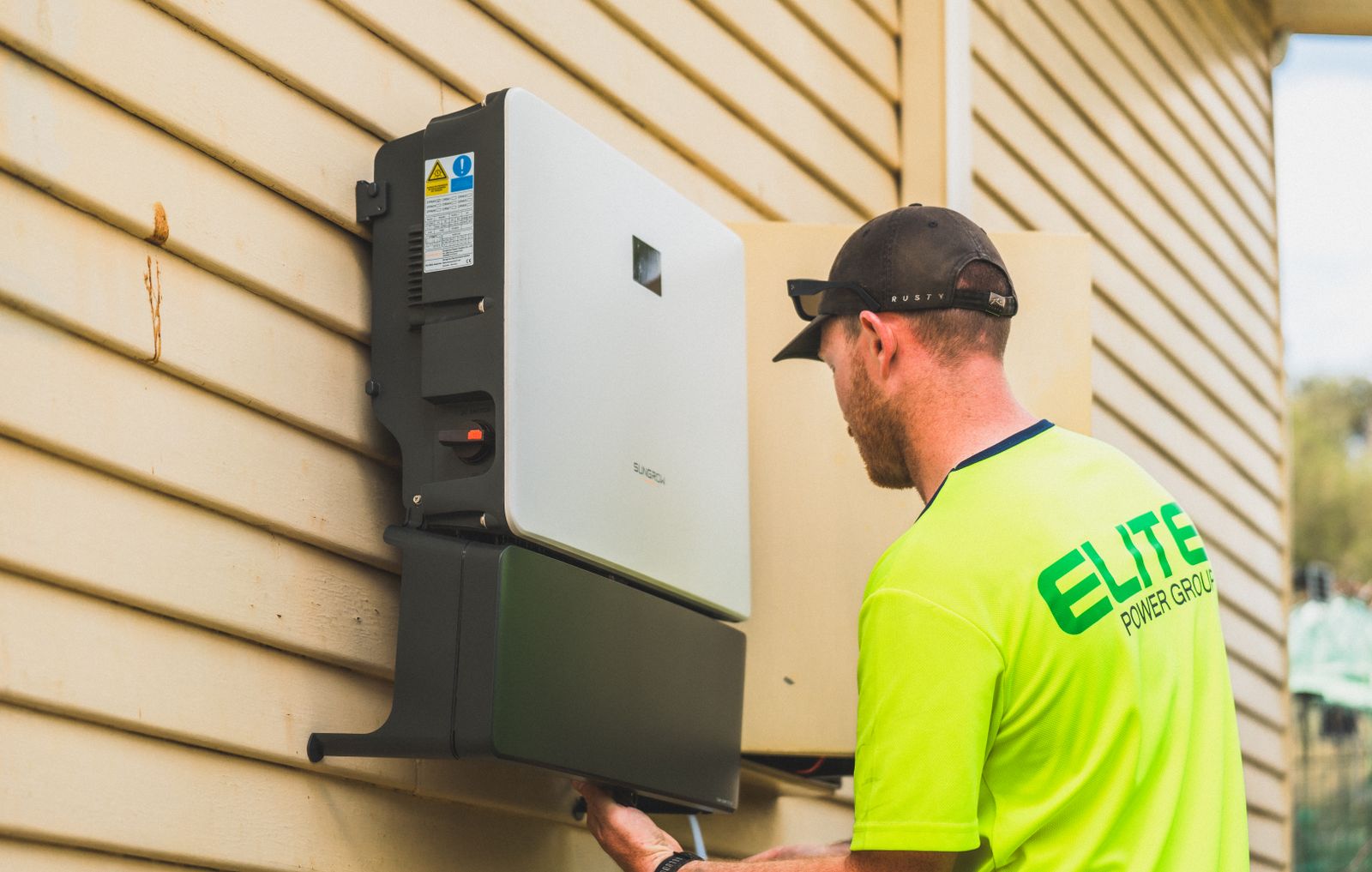
Technician commissioning a home storage inverter and battery system

Outage readiness

Backup sized from circuits, not from brochures

We walk the house with a clamp meter and write down what each circuit actually draws running and at start. Daily kilowatt hours set the number of battery modules. Peak simultaneous kilowatts set the inverter. Those are two separate purchases and conflating them is how people end up with a battery that cannot start a well pump.

Module
13.5 kWh usable, 5 kW continuous
Typical schedule
8 to 11 kWh per day backed up
Transfer
Islanding contactor, millisecond opening
Recharge
Array refills the pack during the outage

Open the backup load planner
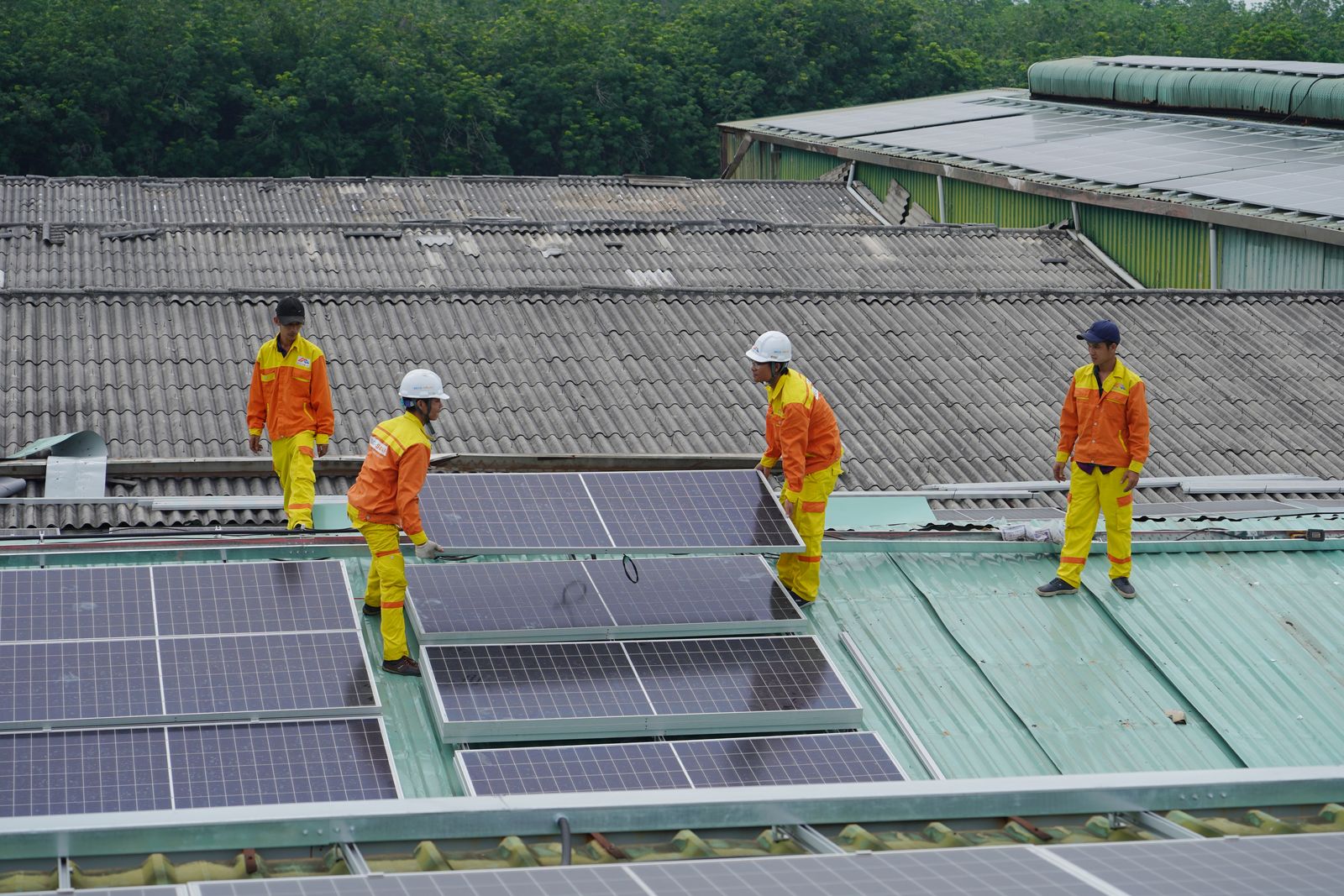
Engineer inspecting a rooftop solar array with monitoring equipment

Monitoring

A failing module should reach us, not your April bill

Every module reports its own output by the hour. We set the expected band from the design model month by month rather than from a rolling average, so a genuine winter decline does not hide a fault and a fault does not hide behind a cloudy week. Alerts land on our desk first and you hear a diagnosis rather than a red dot.

Granularity
Per module, hourly
Threshold
Set from the design model, by month
Annual service
Torque, flashing, thermal scan
Reporting
Modelled against actual kWh, in writing
See what monitoring covers

Timeline

Eight to fourteen weeks, and who owns each week

Installation takes one or two days. Everything else is design, permitting and utility review, and we mark the steps that belong to other organisations so nobody is surprised by them.

How it works in detail
  1. Bill and imagery review

    RemoteUs

    Twelve months of kWh plus satellite imagery. You get a likely kW band and a rough cost before anyone visits.

  2. Site check

    90 minutesUs

    Roof planes, pitch, azimuth, rafter spacing and deck type from the attic, service panel and meter base, fisheye shade study on every plane.

  3. Design and proposal

    3 to 5 business daysUs

    Stamped layout, string configuration, conductor schedule and a production model with the specific yield and shade fraction printed on it.

  4. Permit filing

    10 to 18 business daysYour AHJ

    Building and electrical permits with your authority having jurisdiction. Historic overlays and HOA architectural review add time and we prepare both packets.

  5. Interconnection application

    Runs in parallelUtility

    Filed with Duke Energy at the same time as the permit. For residential systems this is an administrative review rather than a study.

  6. Install

    1 to 2 daysUs

    Flashed mounts into rafters, rails, modules, rapid shutdown, conduit and the point of interconnection. A panel upgrade adds a day.

  7. Inspection

    Scheduled by usYour AHJ

    Electrical and building inspection. We attend, because the questions an inspector asks are ours to answer, not yours.

  8. Permission to operate

    5 to 20 business daysUtility

    The written authorisation to energise and export. The system stays off until PTO lands, even though it is finished and signed off.

  9. Commissioning and handover

    Same week as PTOUs

    IV curve on every string, monitoring bound and alert thresholds set, warranties registered in your name, outage drill if storage is fitted.

Evidence

Six builds, measured against the model

Each record carries array size, first year production against the forecast, and an honest note on what we would do differently.

Open all six
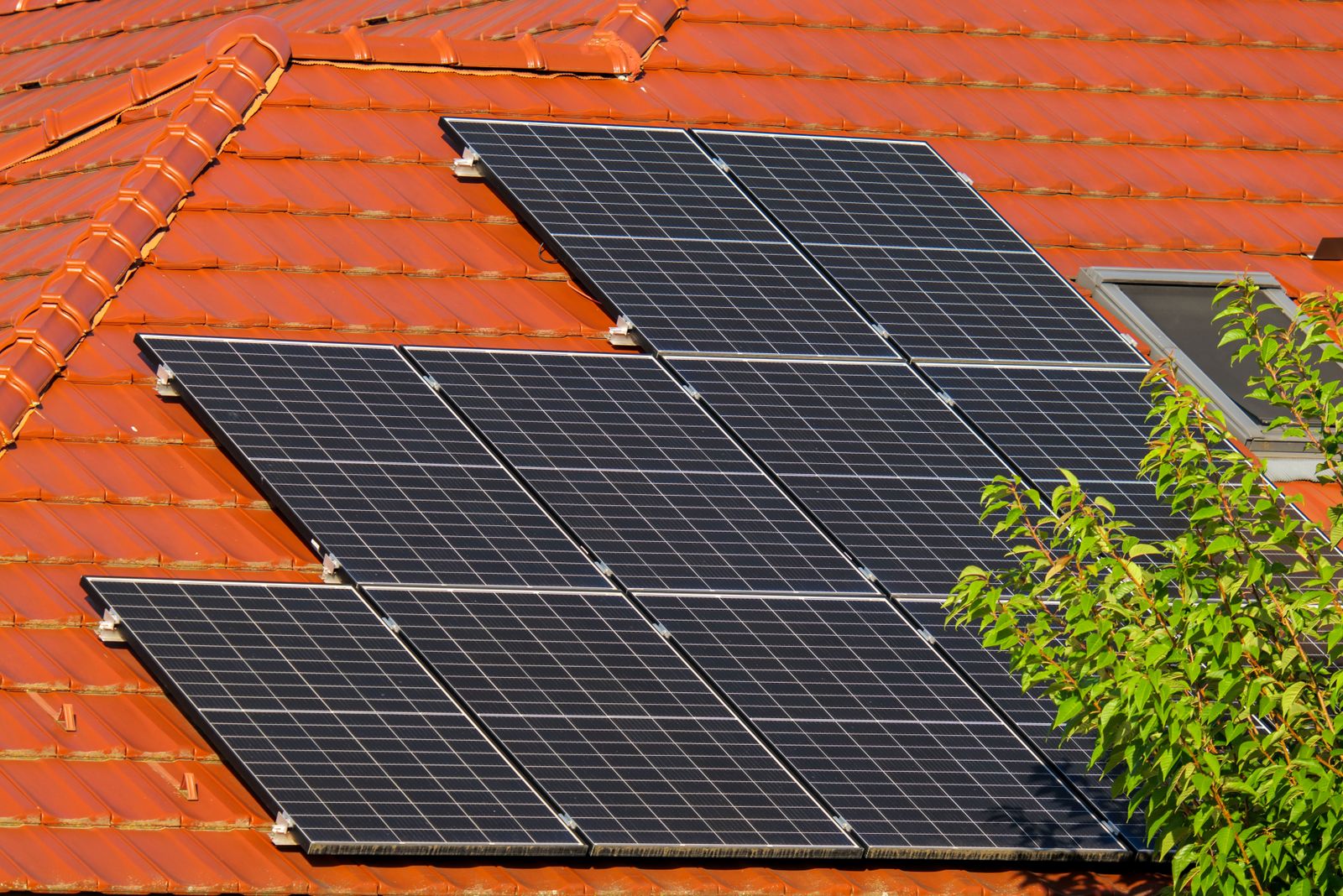
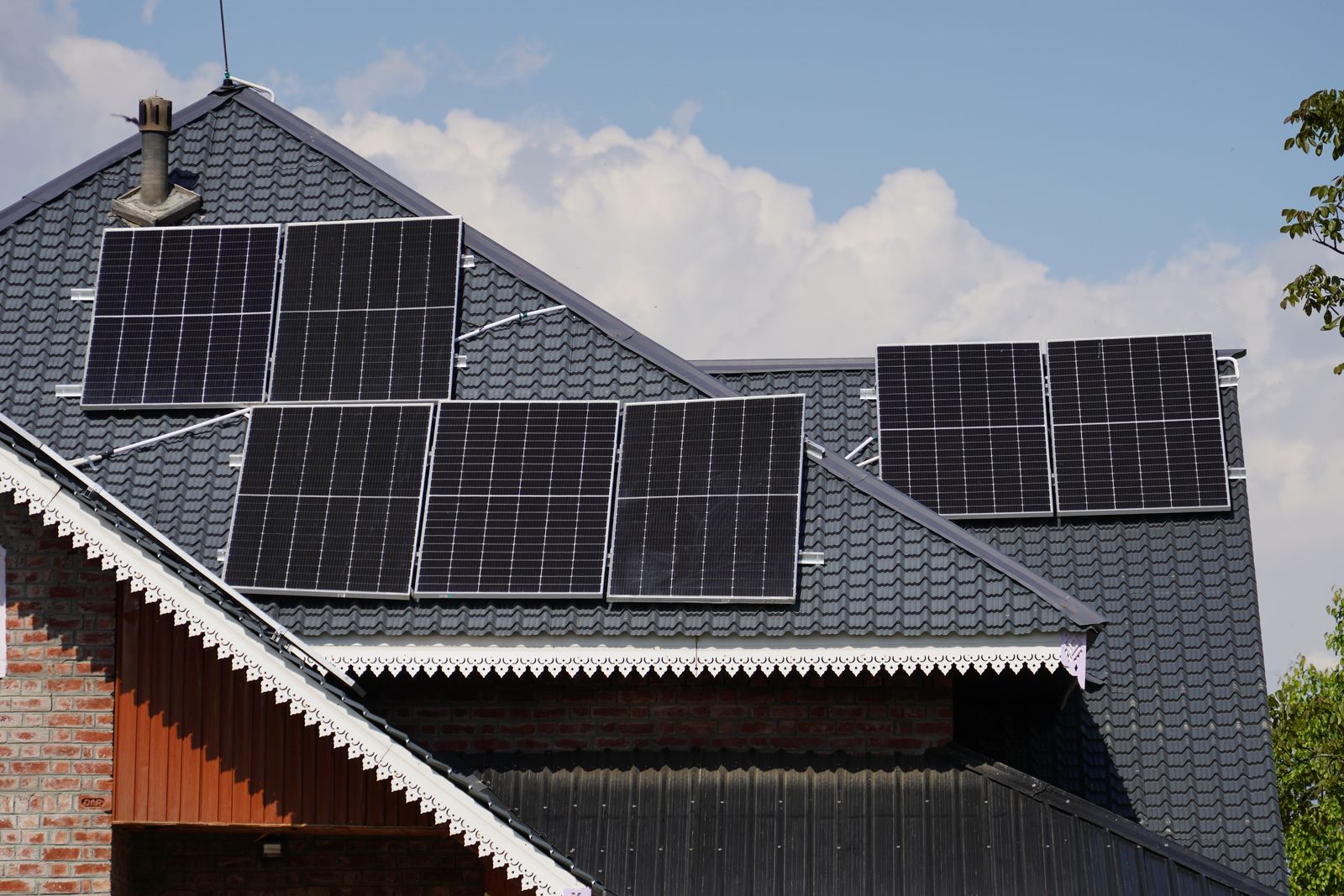
Completed rooftop solar installation on a Triangle area homeWalk the six buildsProject recordArray size, first year yield and what we would change next time
  • 312 kWGarner warehouse sized off interval data, not roof area. Billed demand down about 18 percent.
  • 5.7 kWChapel Hill lot where we declined two planes below 70 percent TSRF and the payback improved.
  • 27 kWhDurham storage-first build that rode a 31 hour February outage to 38 percent reserve.
  • Open the project record

Included

What is in every installation

Not a feature list. These are the six deliverables that appear on every contract we issue, residential or commercial.

01

Twelve month load profile

Your kWh by month, not an average. Summer cooling and winter heat pump load both have to be visible before anything is sized.

02

Per plane shade study

Fisheye sky imaging with the annual sun path overlaid, reported as total solar resource fraction for every plane we considered.

03

Stamped electrical design

String layout, conductor sizing, overcurrent protection and rapid shutdown, sealed by a licensed professional engineer.

04

Permits and interconnection

Building and electrical permits with your AHJ, the utility interconnection application, and the HOA packet where one is needed.

05

Rafter located flashing

Every mount found and confirmed, flashed under the course above. This is the detail our 25 year workmanship warranty actually covers.

06

Commissioning record

IV curve on every string, torque marked lugs, labelled disconnects and a handover pack with the warranties registered in your name.

Reference

Questions we get before anyone signs

If the answer you need is not here, the desk answers questions without turning them into an appointment. There is a longer reference on the FAQ page.

Kilowatts measure rate, kilowatt hours measure quantity. Your array is quoted in kW because that is its maximum rate of generation. Your bill is in kWh because that is the quantity of energy you used. A 9 kW array does not produce 9 kWh, it produces roughly 12,000 kWh over a year.

Not on its own. A grid tied inverter is required to shut down when the grid goes down, so that it cannot energise lines that a crew believes are dead. Backup needs a battery with an islanding transfer switch.

We measure it as total solar resource fraction, the share of ideal annual irradiance a plane actually receives. A plane at 85 percent loses 15 percent of its potential. We publish this figure per plane and normally advise against panels on any plane below about 70 percent.

Usable kilowatt hours divided by your backed up load in kilowatts. One 13.5 kWh module carrying an 800 W average load runs about seventeen hours. The same module carrying 2.5 kW runs about five. That is why we build a load schedule instead of quoting a runtime.

For a purchased residential system in this region our models typically land between nine and thirteen years, as a sample range, depending on consumption, shading and whether storage is included. Storage lengthens payback and buys resilience instead.

Typically eight to fourteen weeks from signed contract to permission to operate. Install itself is one to two days. The rest is design, permitting and the utility interconnection review, and those timelines belong to other organisations.

Pricing

Three packages, priced as installed

Sample installed pricing from our own 2026 Triangle jobs, before and after a federal credit, with the guarantee that sits behind each of them.

Four ways to pay for it

Essential array

One clear roof plane, no storage, modest consumption

$17,400$12,180after a 30% federal credit, sample
Array
6.2 kW DC
Modules
14 x 440 W
Panel area
about 300 sq ft
Year one
about 8,300 kWh
Offset
about 70 percent of 11,800 kWh
  • N-type TOPCon 440 W modules
  • String inverter with rapid shutdown
  • Permit, interconnection and inspection
  • Per string monitoring
  • 25 year workmanship on mounting and flashing
Get a system quote

Resilient whole home

Larger homes, 27 kWh storage, well pump or EV charging

$61,300$42,910after a 30% federal credit, sample
Array
13.2 kW DC
Modules
30 x 440 W
Panel area
about 645 sq ft
Year one
about 17,700 kWh
Offset
about 105 percent of 16,900 kWh
  • N-type TOPCon 440 W modules, microinverters where shaded
  • 27 kWh LFP storage across two modules
  • Whole home or large critical loads transfer
  • Level 2 EV charger with load management
  • Per module monitoring and annual service year one
  • 25 year workmanship on mounting and flashing
Get a system quote

Sample pricingInstalled prices for illustration only, based on our own 2026 Triangle jobs. Your figure depends on roof planes, shading, service panel condition and whether storage is included. Tax credit treatment depends on your own position: confirm it with a licensed tax professional.

01

Production guarantee

If measured output falls more than 10 percent below the year one model for reasons within our control, we correct the system or pay the difference at your utility's energy rate. The model and its assumptions are printed in your proposal, not hidden in a portal.

02

25 year workmanship

Mounting, flashing and penetrations are covered for 25 years. If a roof penetration we made leaks, we repair the roof and any resulting damage. This is the warranty that actually matters and the one most installers keep shortest.

03

Fixed price after survey

The price after the site check is the price. Deck repair is the single exception and it is quoted per sheet in advance, because nobody can see under the shingles until they come off.

04

Equipment warranties registered

Module, inverter and battery warranties are registered in your name on commissioning day and a copy goes in your handover pack. You are not relying on us still being here to make a claim.

Licensing, certification and insurance

  • LicensedU.32418NC electrical contractor, unlimited (demo number)
  • CertifiedNABCEPPV Installation Professional on every crew
  • Insured$2MGeneral liability plus workers compensation
  • Rated4.9 / 5from 412 verified reviews (sample figure)
  • Installed580+systems across the Triangle since 2014
  • Monitored4.1 GWhcumulative production on our desk (sample figure)

NC Electrical Contractor Lic. #U.32418 (demo) · NABCEP PV Installation Professional on every crewHow we work

Cookie preferences

Choose which cookies you allow. You can change this at any time from the link in the footer.