Solution
EV chargers
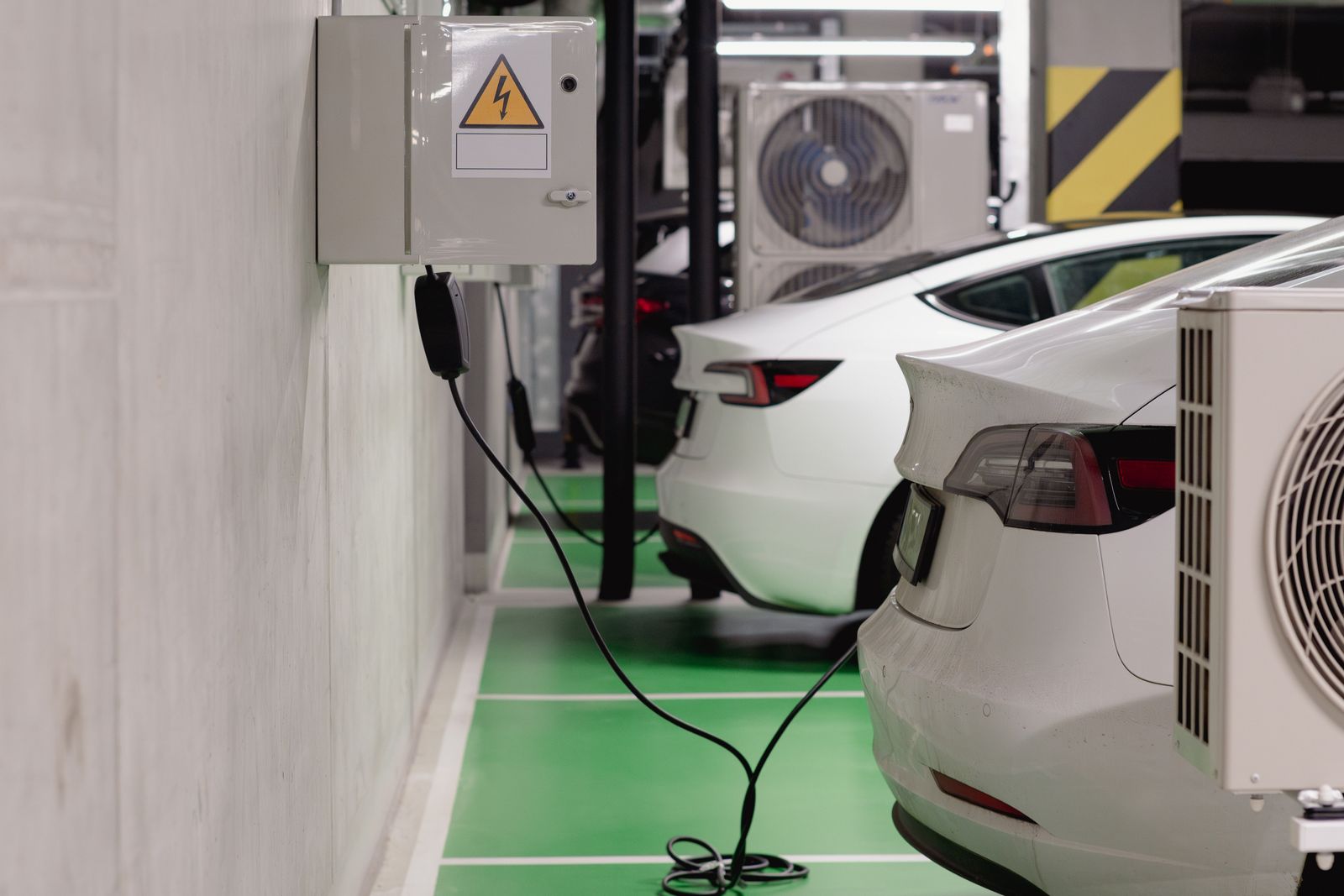
Level 2 charging on a properly sized circuit, with load management when the panel is tight.
- SpecificationLevel 2 · 40 A to 80 A circuit · 7.7 to 19.2 kW
How we scope it
A Level 2 charger is a continuous load, so the circuit is sized at 125 percent of the charger draw. A 48 A charger needs a 60 A circuit and 6 AWG copper. A 40 A charger needs a 50 A circuit. Most drivers do not need 48 A: a car adding 32 A at 240 V gains roughly 7.7 kW, which is about 25 to 30 miles of range per hour and refills a daily commute overnight several times over.
The limiting factor is almost always the service panel, not the car. We run a load calculation to the National Electrical Code standard method before quoting. If the calculation says there is no headroom, the answer is not always a service upgrade: an energy management system that sheds the charger when the dryer and range are running usually costs far less and passes inspection cleanly.
Where there is an array and a battery, we set the charger to prefer surplus solar. Charging the car on exported kWh is worth more than exporting it at the avoided cost rate under most current tariffs.
Scope
What is included
Six deliverables, written the way they appear on the contract rather than the way they appear in a brochure.
Panel load calculation
Standard method calculation against your actual service, documented and submitted with the permit.
Circuit and conductor
Correctly sized breaker, copper conductor and conduit run, with the derate for ambient and fill applied.
Charger mounting
Wall or pedestal, cable management, and a holster placed where the cable actually reaches the port.
Load management
Optional energy management module so the charger yields to other large loads instead of tripping the main.
Solar surplus mode
Where an array exists, the charger can follow surplus generation rather than pulling from the grid.
Permit and inspection
Electrical permit filed with your AHJ and the inspection scheduled and attended by us.
Sequence
How the work runs
- 1
Panel assessment
Photos of the panel and meter, plus your service size. Often enough for a firm price without a visit.
- 2
Route walk
We agree the conduit run and the charger position, including where the cable will hang.
- 3
Install
Half a day for a typical attached garage. Longer for detached structures or long trenched runs.
- 4
Test and hand over
Ground fault test, charge session verified with your vehicle, app pairing done before we leave.
Pricing factors
What moves the number
We do not publish a single price for this scope because these five variables change it substantially. Here is what each one does.
How people pay for it| Factor | Typical range | Effect |
|---|---|---|
| Charger current | 32 A to 80 A | 7.7 kW to 19.2 kW. Most homes never need above 40 A |
| Circuit size | 40 A to 100 A | 125 percent of continuous load, per code |
| Run length | 10 to 120 ft | Long runs need larger conductor for voltage drop |
| Service headroom | None to ample | Decides between load management and a service upgrade |
| Mounting | Garage wall, exterior, pedestal | Exterior and pedestal need a weather rated unit and a trench |
Questions
EV chargers: common questions
At 32 A and 240 V the car receives about 7.7 kW, roughly 25 to 30 miles of range per hour for a typical sedan. Ten hours parked overnight adds more range than almost any daily commute uses.
Not necessarily. A load calculation might show headroom on a 150 A service, and where it does not, an energy management device that sheds the charger during peak household use is usually accepted by the inspector.
You can prioritise surplus generation, but a 7.7 kW charger outruns a 9 kW array on any cloudy day. Treat solar charging as a preference, not a rule.
Slightly, but a 14 to 50 receptacle limits you to 40 A and receptacle heating is a real failure mode at continuous load. For daily use we prefer hardwired.
Next
Usually bought alongside
Battery storage
Stackable 13.5 kWh lithium iron phosphate units sized against your real essential loads.
Open5 to 14 kW DC · 440 W modules · string or microResidential solar
Rooftop arrays from 5 kW to 14 kW DC, designed around your last twelve utility bills.
OpenBlower door · thermal imaging · duct leakageEnergy audits
Blower door and thermal survey that often cuts the array you need before you buy it.
Open
Start with the numbers, not a sales visit
Send twelve months of kWh and a roof photo. You get a sized system, a production model and a payback figure before anyone comes out.
No pressure appointment. The site check is free and the design is yours to keep.