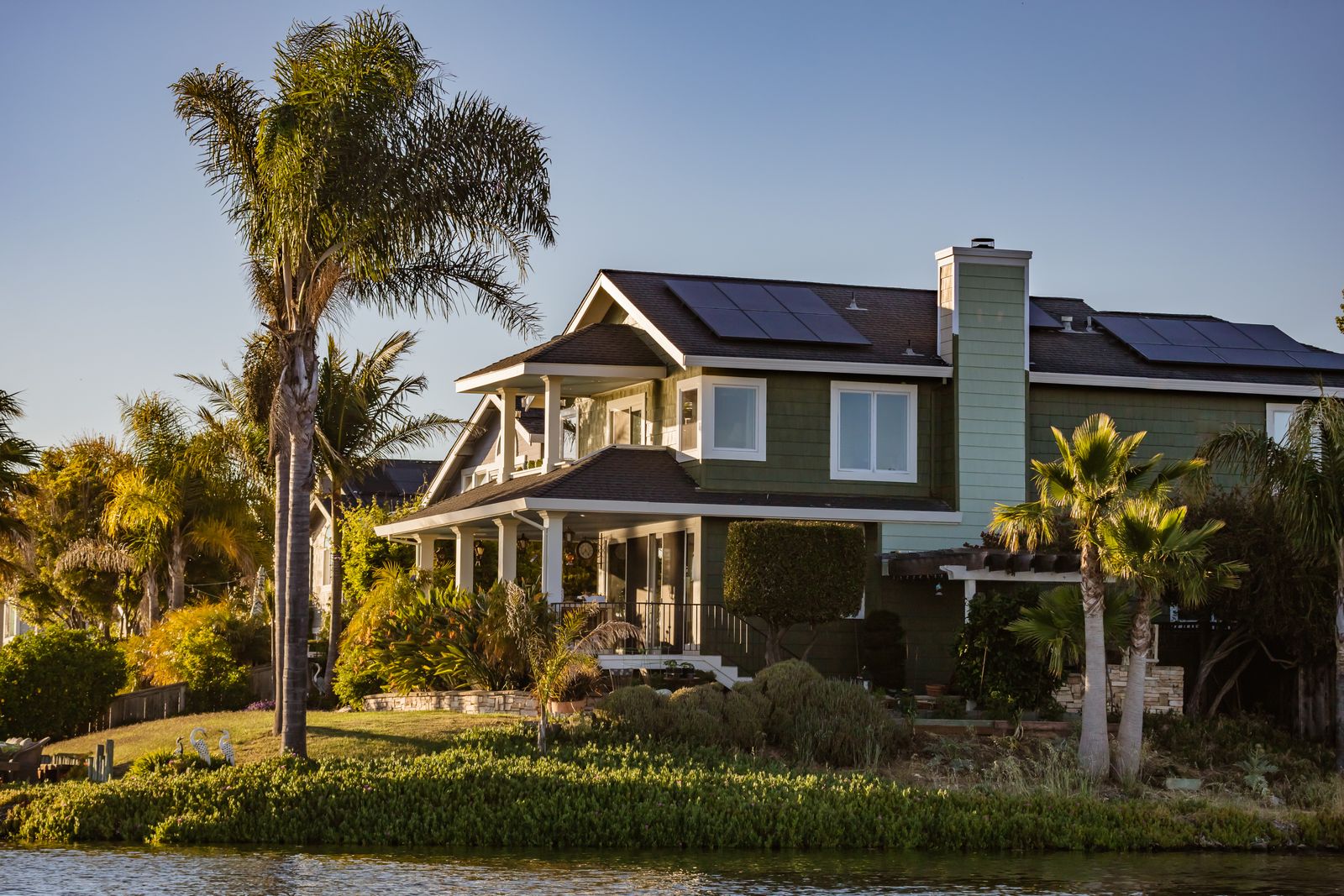
Residential · Watts Hillandale, Durham
Storage first, solar second
A household that had lost power three times in one winter and wanted runtime before generation.
- Storage27 kWh usable (2 modules)
- Inverter7.6 kW continuous
- Backed up loadCritical loads subpanel
- Array added7.9 kW DC, six months later
Record
Full specification
- Storage
- 27 kWh usable (2 modules)
- Inverter
- 7.6 kW continuous
- Backed up load
- Critical loads subpanel
- Array added
- 7.9 kW DC, six months later
- Measured outage
- 31 hours, February
- Reserve at restoration
- 38 percent
The problem
The owners wanted backup power, not a payback story. Their essential load schedule came to 11.4 kWh per day: refrigerator, chest freezer, internet and networking, LED lighting through most of the house, two bedroom mini splits and a medical device that could not be interrupted.
The existing panel was full and the main service could not support a whole home transfer at the rating required.
What we did
Built a critical loads subpanel and moved seventeen circuits to it, leaving the range, dryer, water heater and main HVAC on the unbacked side.
Two 13.5 kWh modules for 27 kWh usable, which covers the 11.4 kWh daily schedule for two full days with no generation at all.
Wired and left space for the array from the start, so the solar install six months later needed no rework of the storage side.
What happened
A 31 hour outage in February drew the pack down to 38 percent with the array not yet installed. With solar now in place the same event would have recharged during daylight.
The medical device ran uninterrupted, which was the actual requirement behind the whole project.
After the array was added, modelled annual offset reached about 82 percent of the household's 11,700 kWh consumption.
Storage before solar is the right order when resilience is the goal. Doing it in this sequence also proved the load schedule with real data before we sized the array.
From the owner
They measured every circuit with a meter instead of reading labels off the appliances. The runtime number they gave us turned out to be within an hour of what we actually got.
Next
Other builds
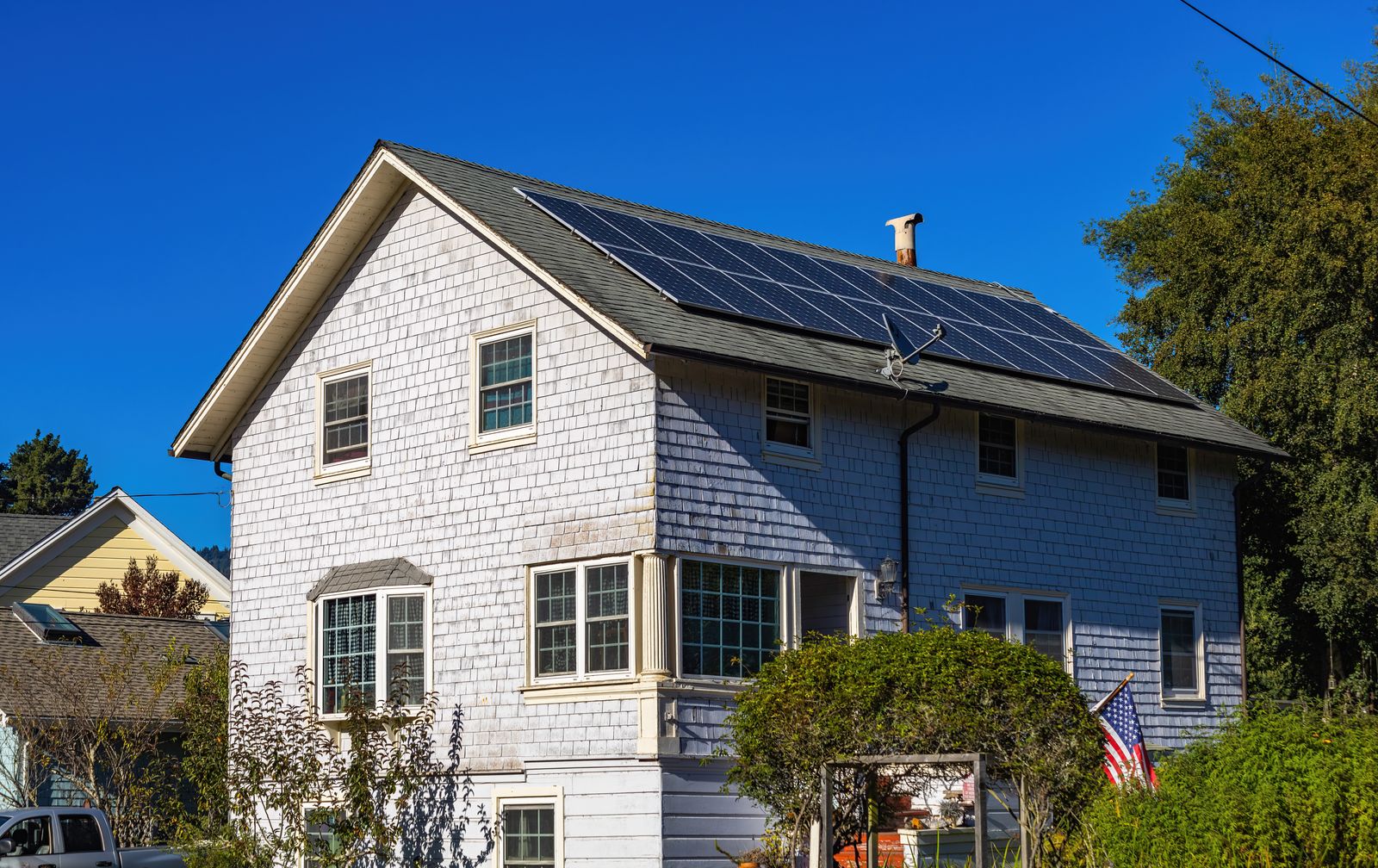 Residential · Five Points, Raleigh
Shaded 1957 ranch, microinverter retrofit
Two willow oaks, a 4:12 roof and an owner who had been told solar would not work here.
Open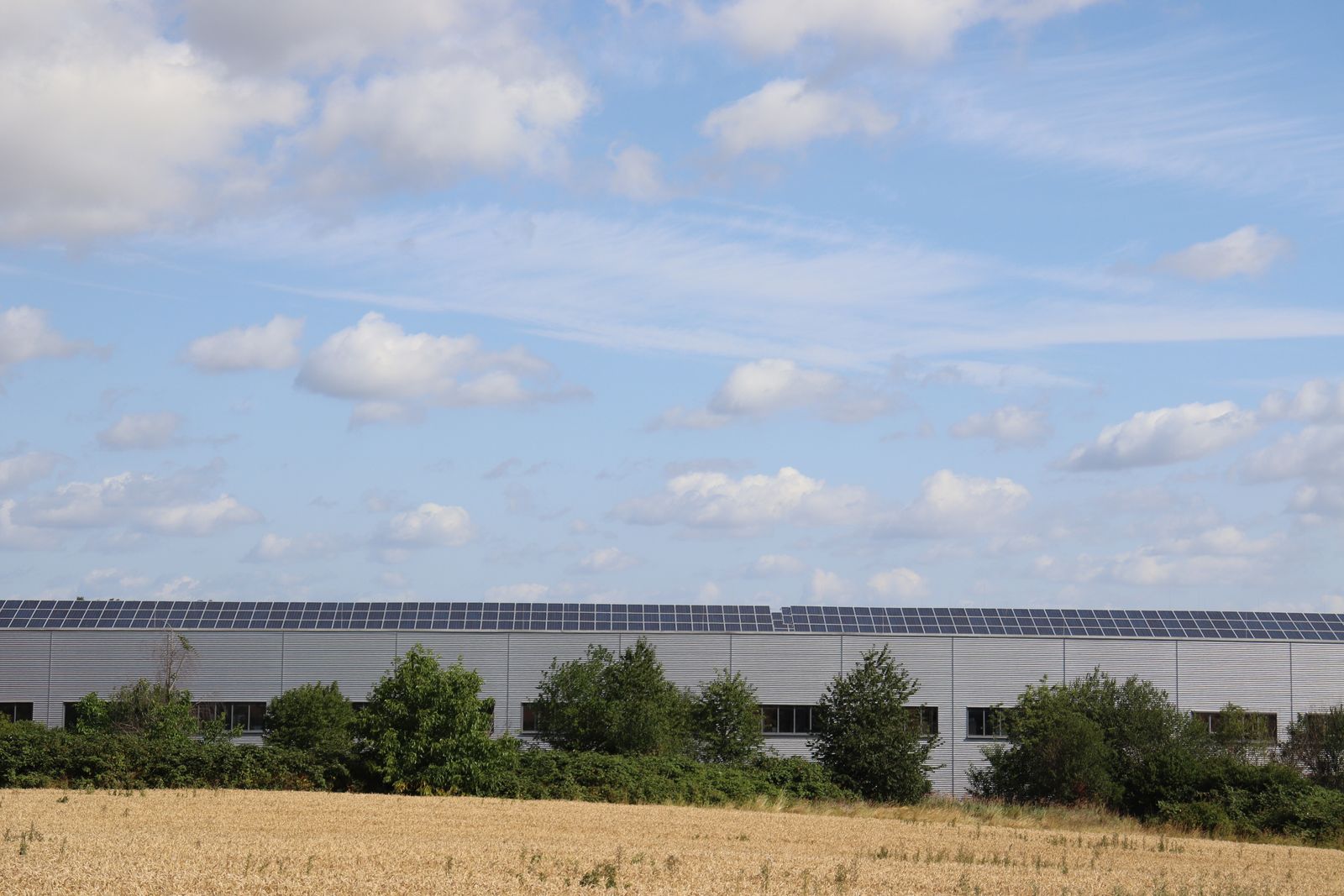 Commercial · Garner
Distribution warehouse, demand charge focus
A 312 kW rooftop array chosen on interval data, not on available roof area.
Open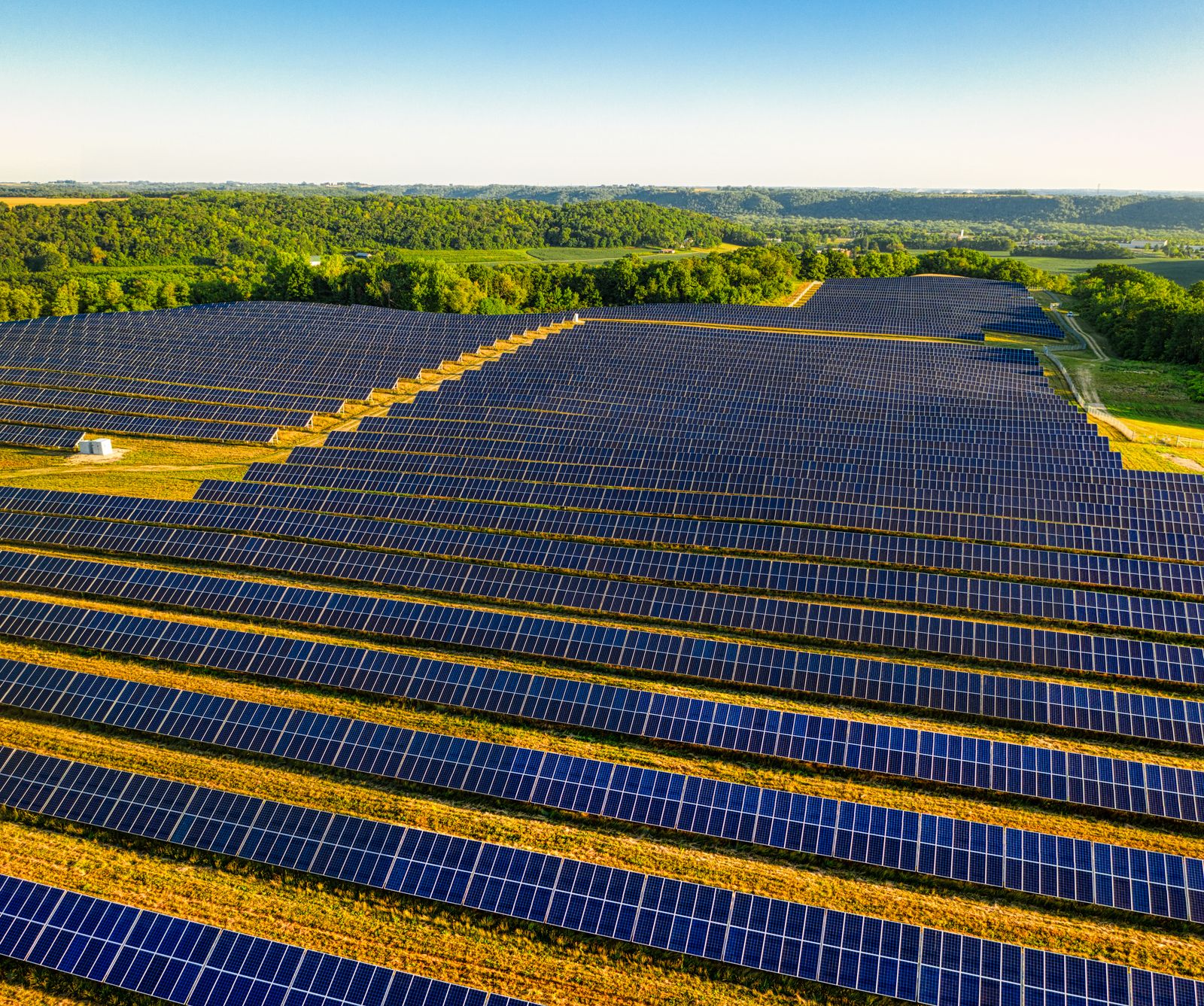 Ground mount · Wake Forest
Ground mount on a well served property
A compromised roof, four clear acres and a well pump at the top of the backup list.
OpenStart with the numbers, not a sales visit
Send twelve months of kWh and a roof photo. You get a sized system, a production model and a payback figure before anyone comes out.
No pressure appointment. The site check is free and the design is yours to keep.